Not sure which flooring is right for you? Our Flooring Guide makes it simple. Explore styles, durability, and comfort — and feel confident about your decision.
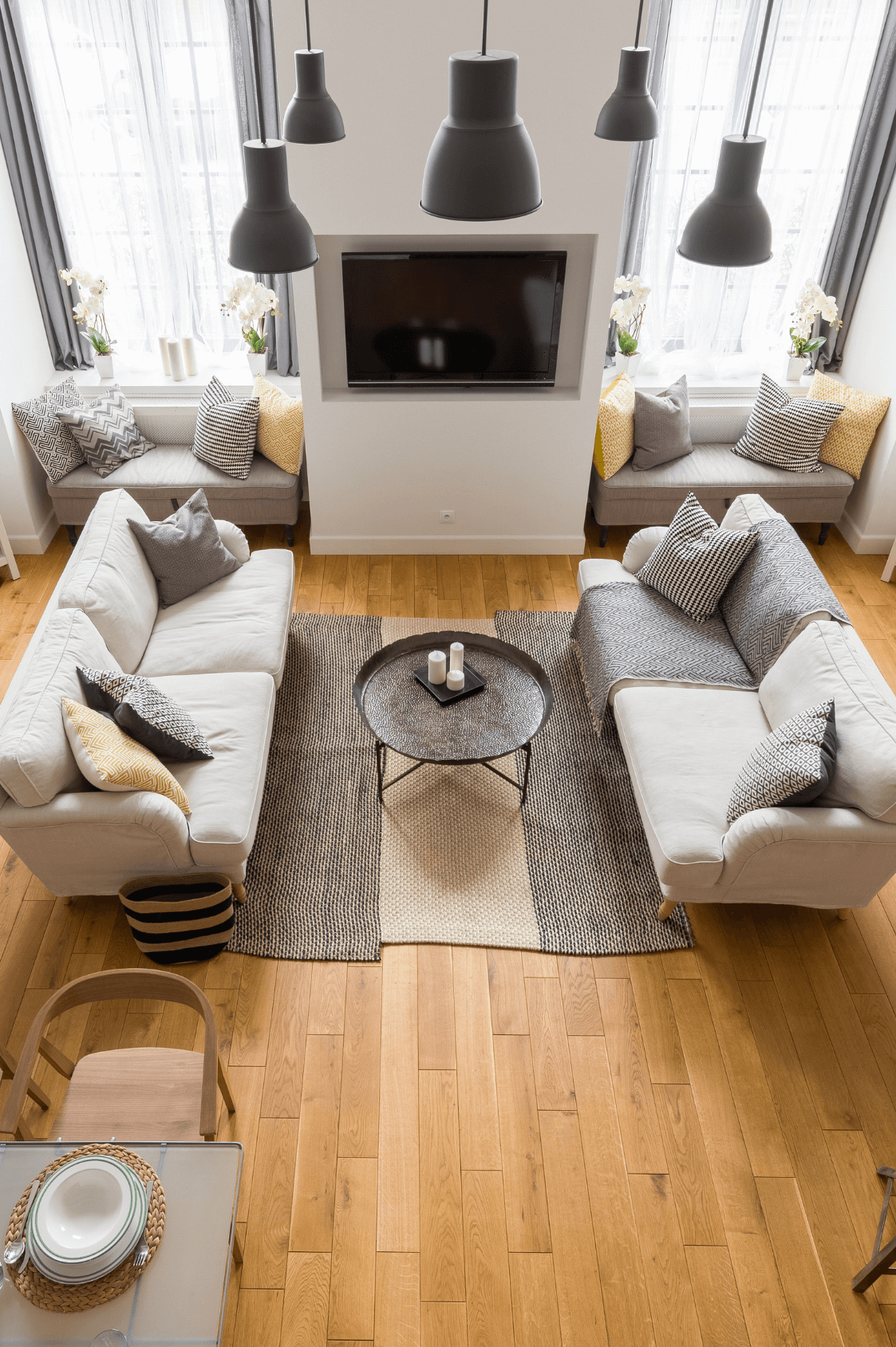
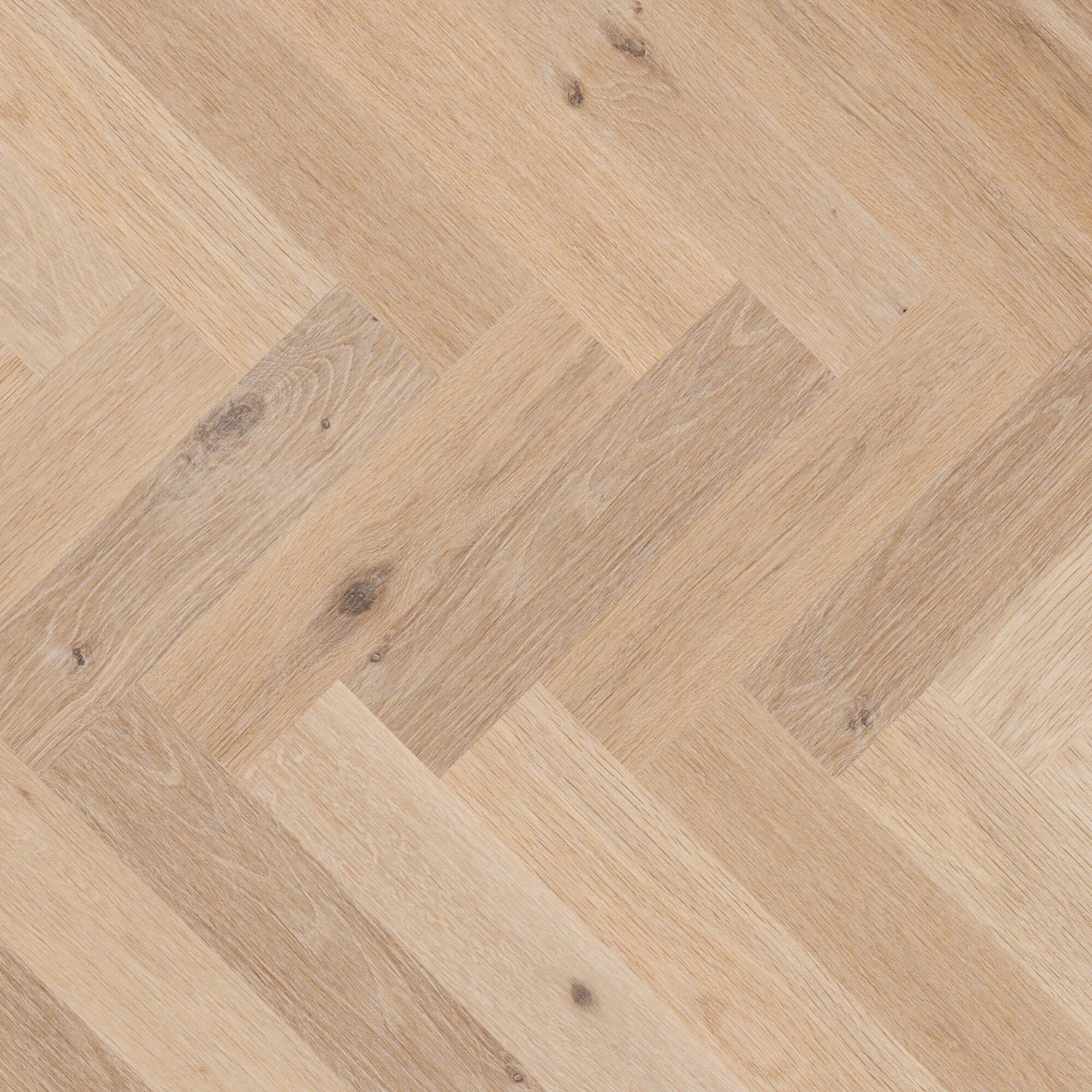
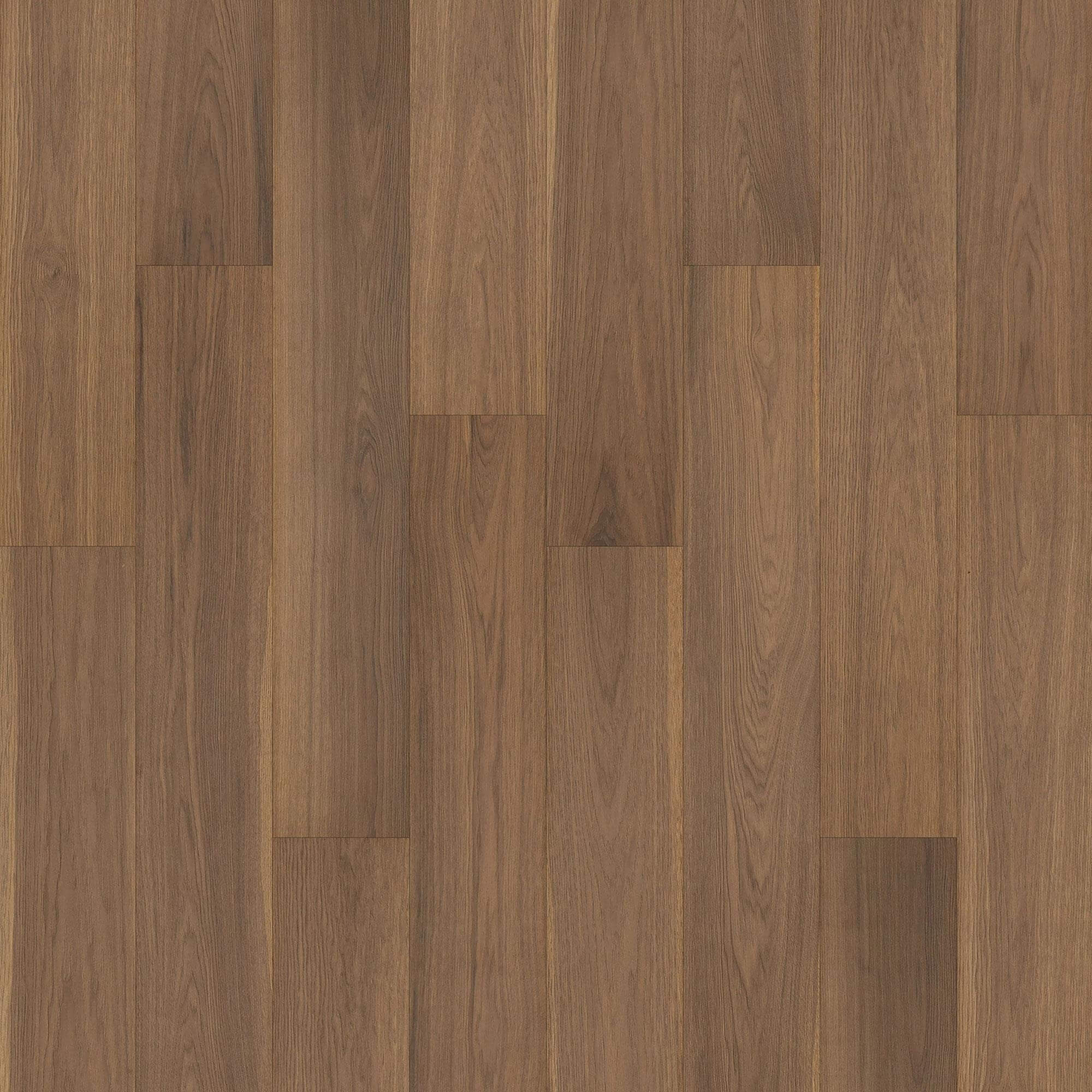
The elegant look of a hardwood floor can add warmth and character to any room, as well reveal much about our individual taste, values, and what is important to us. In fact, the natural characteristics of wood add depth and a visual appearance that many other types of flooring try to replicate. Rich, inviting hardwood floors are not only beautiful to live with, they also add value to your home at resale time. Both solid and engineered hardwood types, options and applications are more diverse and delightful than ever!
As the consumer demand for hardwood floors has grown so has the manufacturer’s ability to produce better quality finishes and superior construction techniques. The result of those advancements is that wood floors can now be installed throughout the home and over a wide variety of subfloors.
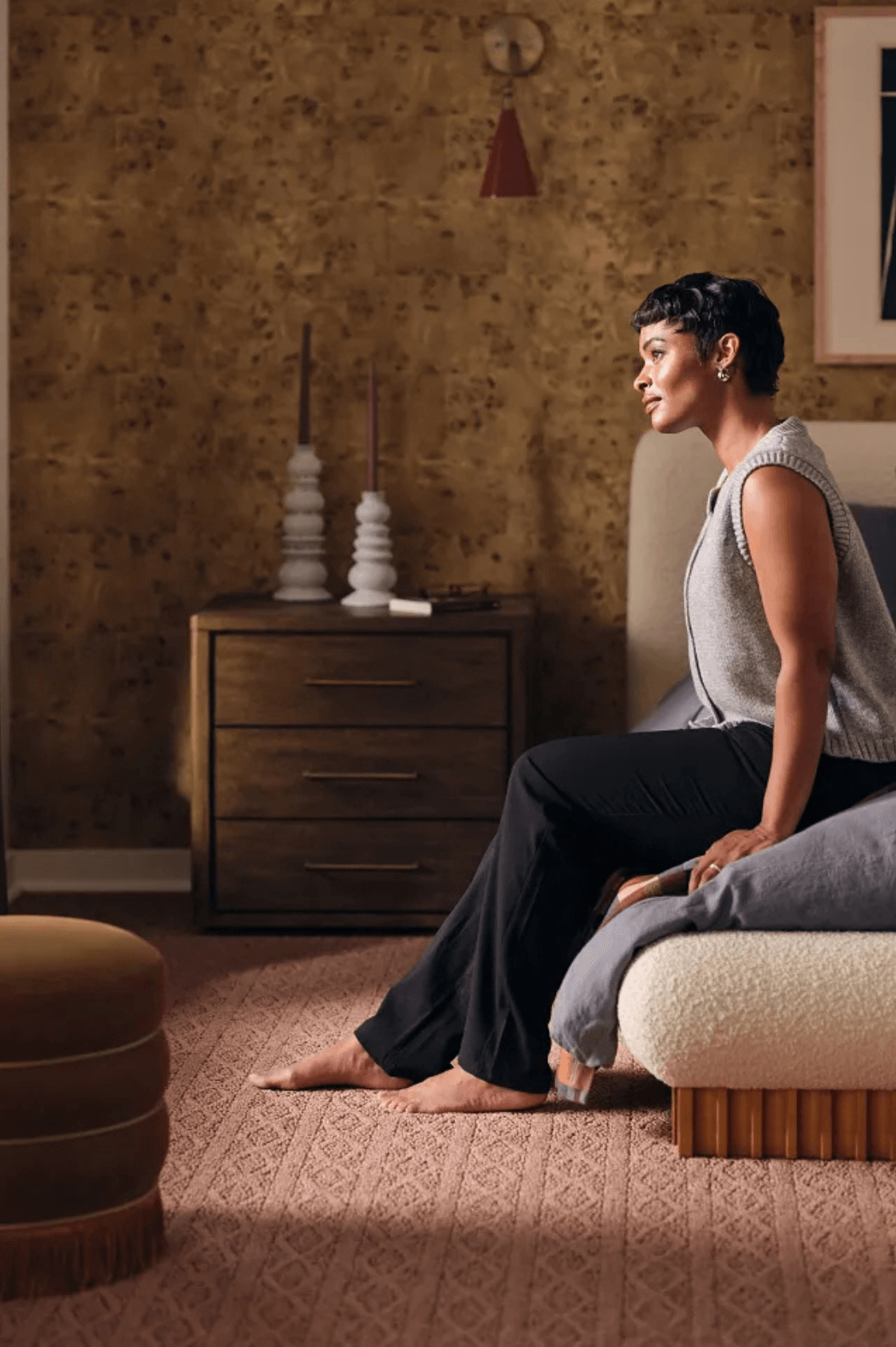
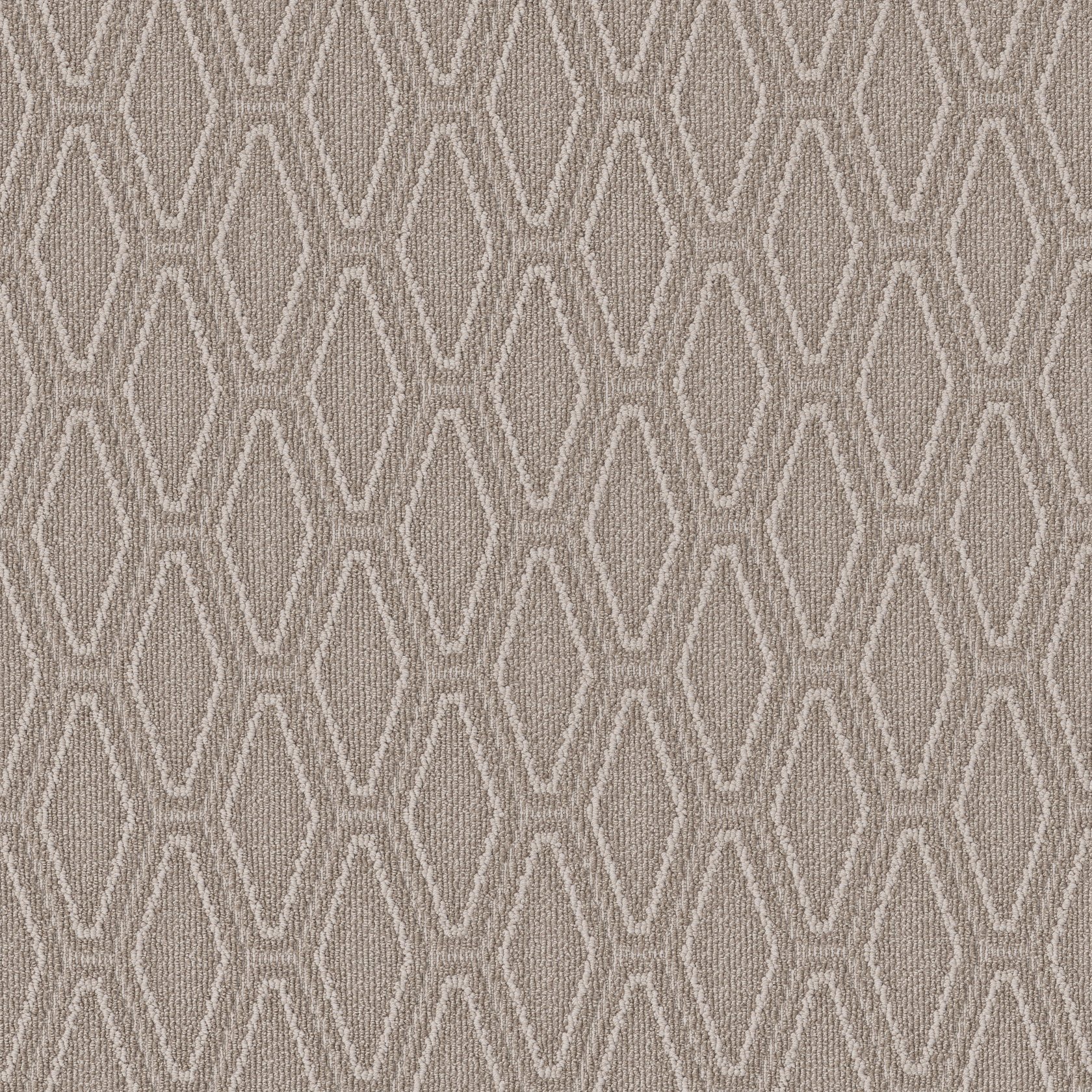
Carpet is one of the most popular choices for floor covering. It’s inexpensive, quiet, comfortable, and easy to install and replace. It can hide subfloor irregularities and can be installed over almost any surface/subfloor. It offers more options for color, texture, tone, and hue than any other floor covering. From casual to formal, solids to patterns, plush to berber, there are styles available to complement any interior (or exterior) and provide years of performance and beauty for your home.
Carpet is a textile floor covering that consists of an upper layer of pile attached to a backing. The pile is generally made from either a manmade fibre such as polypropylene, nylon, or polyester, or wool, and usually consists of twisted tufts. A carpet stretches from wall to wall while a rug does not. The pile can be plush or berber. Plush carpet is a cut pile while berber is a loop pile. There is also carpet that combines the two styles called cut and loop carpeting. Carpet can be made from many single or blended natural and synthetic fibers. Nylon is the most common material of carpets. Nylon can be dyed topically or dyed in a molten state (solution dying). Polypropylene is used to produce carpet yarns because it is inexpensive. It is difficult to dye and does not wear as well as wool or nylon. Polypropylene is commonly used to construct Berber carpets. In this case, polypropylene is commonly referred to as olefin. Wool has excellent durability, can be dyed easily and is fairly abundant. The polyester known as “PET” (polyethylene terephthalate) is used in carpet manufacturing for both spun and filament constructions
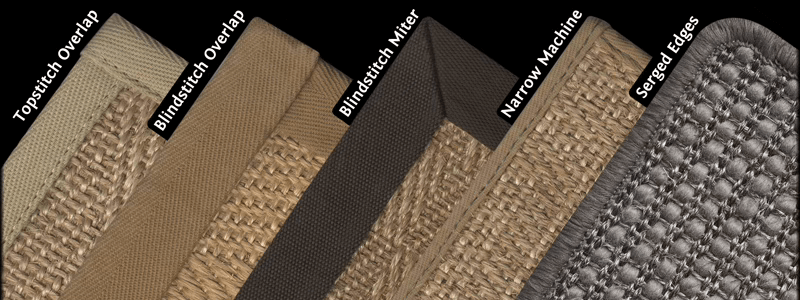
Carpet binding is when any material is applied to the edge of a carpet to bound the edges and make a rug. Carpet commonly comes in widths of 12 and 15 feet in the US. Where necessary, different widths can be seamed together with a seaming iron and seam tape and are fixed to a floor over a cushioned pad using nails, tack strips, adhesives, or occasionally decorative metal stair rods. This is different than rugs or mats, which are loose-laid.

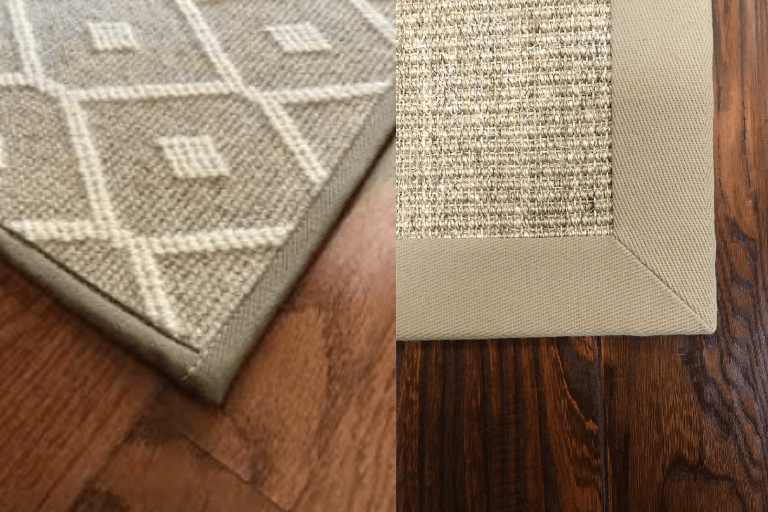
Carpet binding is a material that is sewn onto the outer edges of the carpet to keep the border clean and neat. The color of the fabric is typically matched to the rug so the edge is not noticeable, but can also be selected for intentional contrast.

Cotton binding offers a distinct look and feel and creates an elegant border effect for your custom area rug. Depending on the style desired, the binding can be subtle (1/2”) or wide (2-3”). This application is used mainly on lower pile carpets.

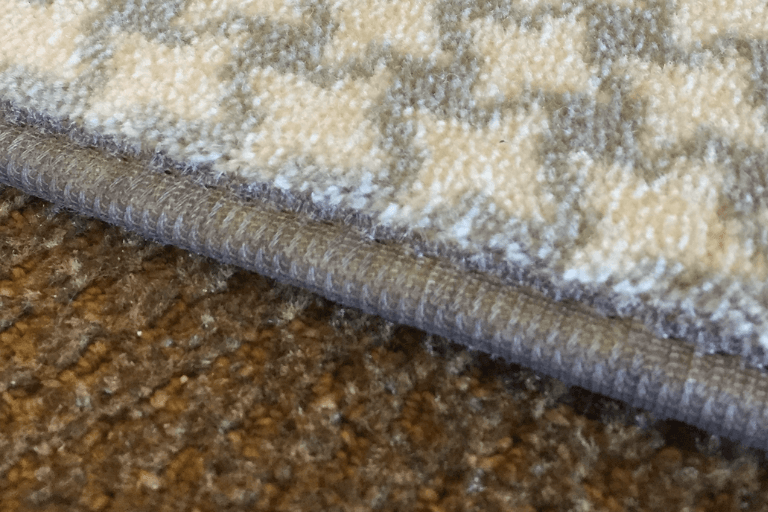
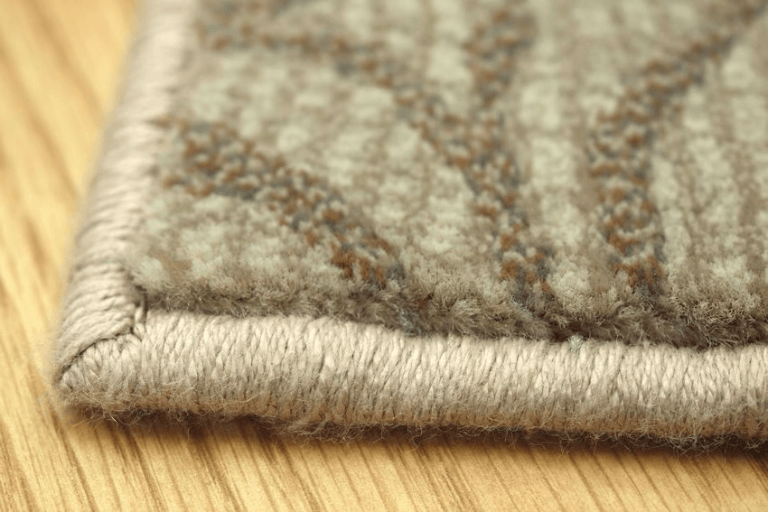
Carpet serging is a finishing method in a class of its own. Serging is a spun thread sewn onto the edge of the carpet. It is typically seen on custom area rugs, decorative runners, and oriental rugs. Carpet serging resembles a high-end, hand-sewn edge.
Cut pile carpet is created when the loops that result from weaving are trimmed to the same height and slightly tuft, giving the carpet a dense, soft appearance. Cut pile carpet represents the largest portion of the residential market and comes in four primary subcategories:
Saxony is what probably comes to mind when you think of carpet — all those perfectly even, solid colored strands of fiber standing like a freshly cut lawn. This is the stuff that’s thick and soft and shows footprints and vacuum lines. You probably had it wall to wall when you were growing up.
If you don’t prefer that “freshly mown” look to your carpet, then textured is a great alternative. Because it’s twisted differently than Saxony and steamed to create a permanent curl, it is “trackless” and reduces light reflectivity so it won’t show footprints. Textured carpet is casual, cool, and shows far less wear and tear than other styles.
This cut pile offers a tighter “twist” than the Textured style. The yarn actually curls over, creating a very durable and elegant product that hides footprints and vacuum lines.
Constructed of longer yarn than other cut pile options, Cable carpet is beautiful, comfortable, and very luxurious. However, it can flatten and matte with heavy foot traffic, so is not recommended for busy areas of your home.
Loop pile is how all carpet actually begins, uncut. More commonly known as Berber, loop pile carpet has a smooth, consistent surface with a textured appearance that results from color variation and the way light reflects on the pile. Made from yarns that are looped into the backing, this style is perfect for high-traffic areas of the home and many commercial settings.
The combination of cut and loop pile provides for interesting patterns that result from the variation in surface textures. This popular style is good for disguising foot traffic and wear and offers a variety of surface finishes.
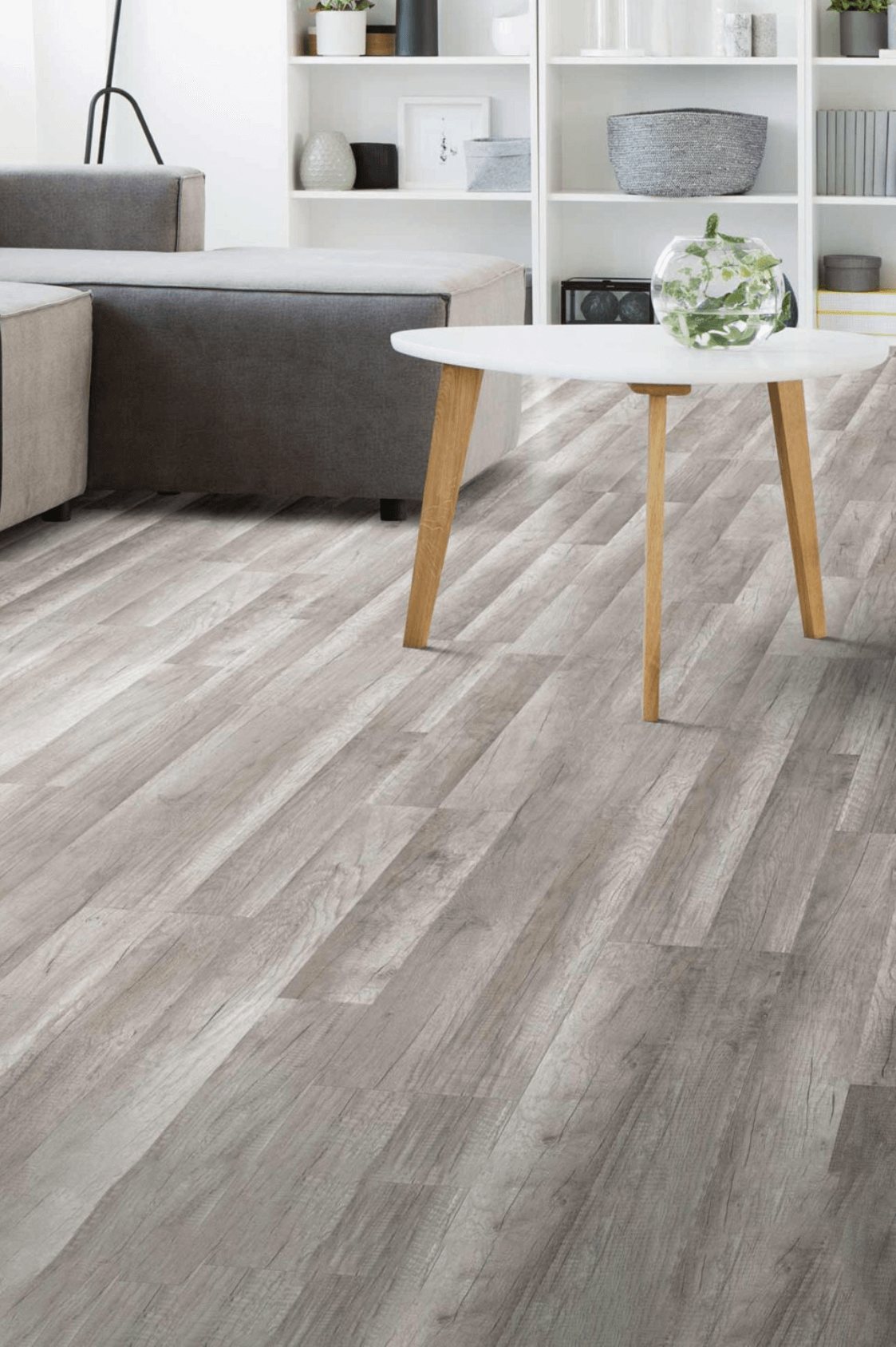
Laminate flooring is perfect for those who want the look of real hardwood or stone but not the maintenance or price tag. In the past, laminate floors were easy to spot, but with today’s technology manufacturers are able to create extremely realistic visuals and textures that result in stylish, quality floors. In many cases, you can’t tell the difference anymore. And with proper care and regular maintenance, laminate flooring will provide you and your home with many years of beauty, warmth and durability!
Laminate flooring is durable and stain resistant, making it ideal for any household. Made of laminate material, laminate floors are is designed to look like a natural product, such as hardwood or stone flooring. It is made of either synthetic materials (usually melamine resin) or of synthetic materials combined with other natural and recycled materials. The natural look is achieved with an attached decorative appliqué and an aluminum oxide finish.
Laminate flooring is fairly low-maintenance when compared to hardwood. Unlike natural hardwood, laminate does not require waxing, oiling, staining or refinishing. It is important to keep clean, however, as dust, dirt and sand particles may scratch the decorative surface in high-traffic areas over time. Adhesive felt pads placed on the feet of furniture can also help prevent scratching. It is also important to keep laminate relatively dry. Sitting water/moisture may cause the planks or tiles to swell or warp. Although many new finishes and constructions are equipped with water-resistant coatings or structures. Water spills aren’t a problem if they’re wiped up quickly.
Installed laminate flooring typically “floats” over the sub-floor with an attached or on top of a foam/film underlayment, which is meant to provide moisture and sound-reducing properties.
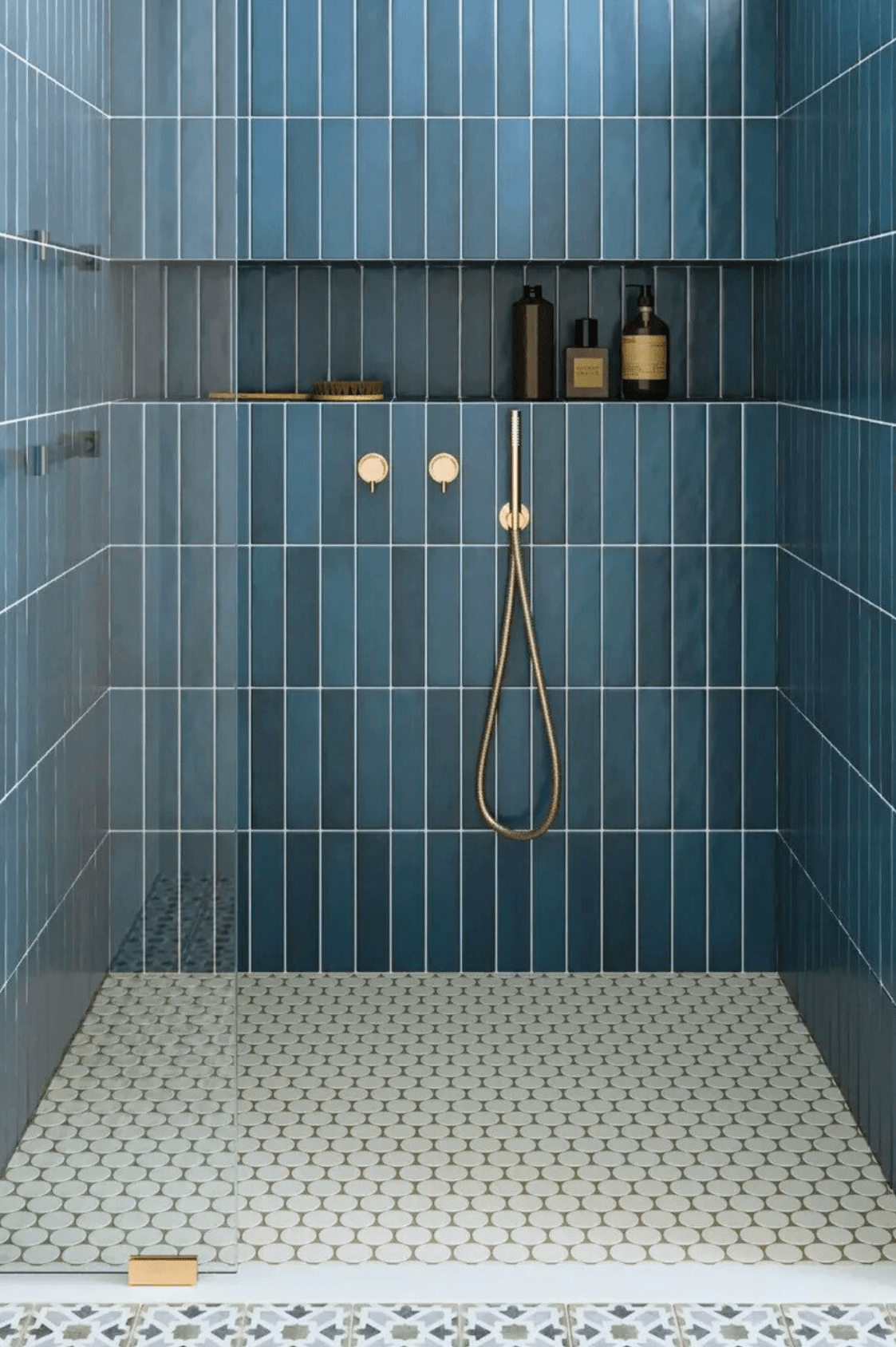
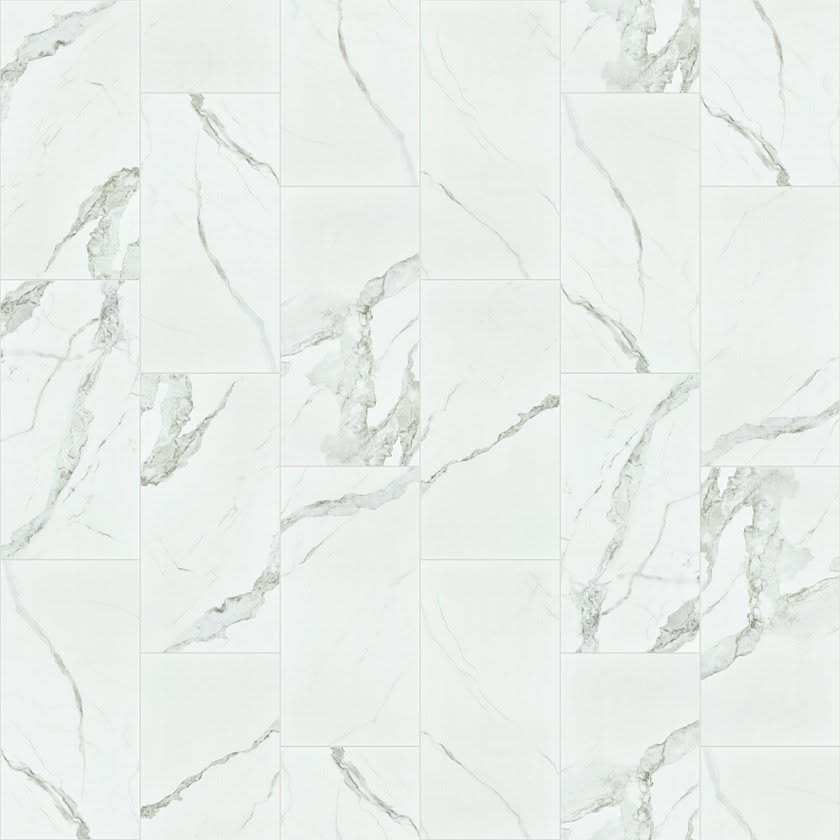
Tile is a practical, functional choice for your floor that offers a unique opportunity for self-expression because of its beauty, flexibility and design potential. It exhibits a versatility of looks and colors in decoration by glazing the surface or in through-body options, and can range from simple terra cotta tiles to highly decorated individual tiles creating intricate mosaics and patterns. Also, many looks have coordinating wall tiles and liners to accent any room, making it fun and easy to create a unique and aesthetically balanced space. Tile choices today are almost endless!
Tiles are essentially a low-maintenance highly durable material. However, even glazed tiles like natural stone are somewhat porous, and require care and attention, especially in heavy traffic areas. A properly installed tile, whether ceramic, porcelain or natural stone will outperform and outlast nearly any other floor covering product created for the same application.
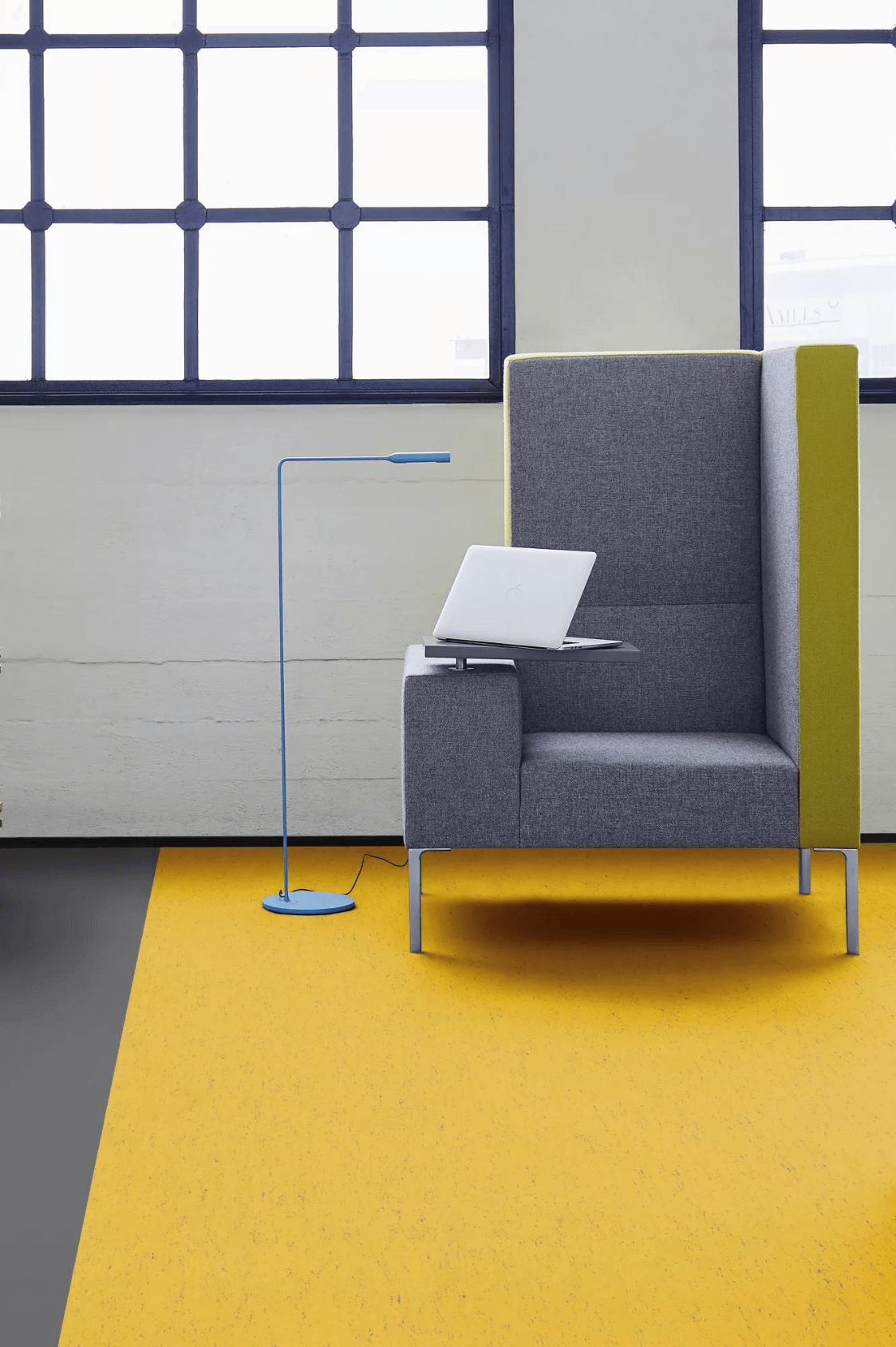
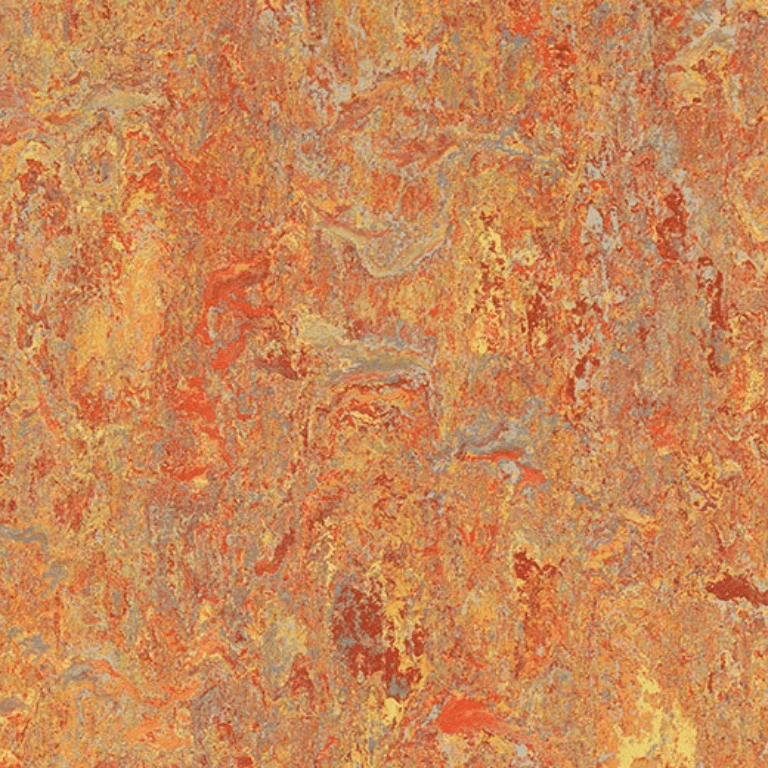
Linoleum flooring has made a big comeback in the market as a flooring choice for those who are environmentally conscientious. It is made today just as it was and has been since the late 1800’s, composed of linseed oil, wood flour or cork dust over canvas. It was resilient and environmentally friendly back then, and is even more so today!
It is unique in that the color goes all the way through, and so so lasts forever. However, it must be waxed/finished in order to keep it looking good (vinyl floors are “no wax”). Because linoleum normally comes in sheet goods, it can be hand-cut to create the most unique color and shape patterns. It’s like painting your floors!
Be aware that like sheet vinyl, linoleum should be installed by a professional as it is an unforgiving product.
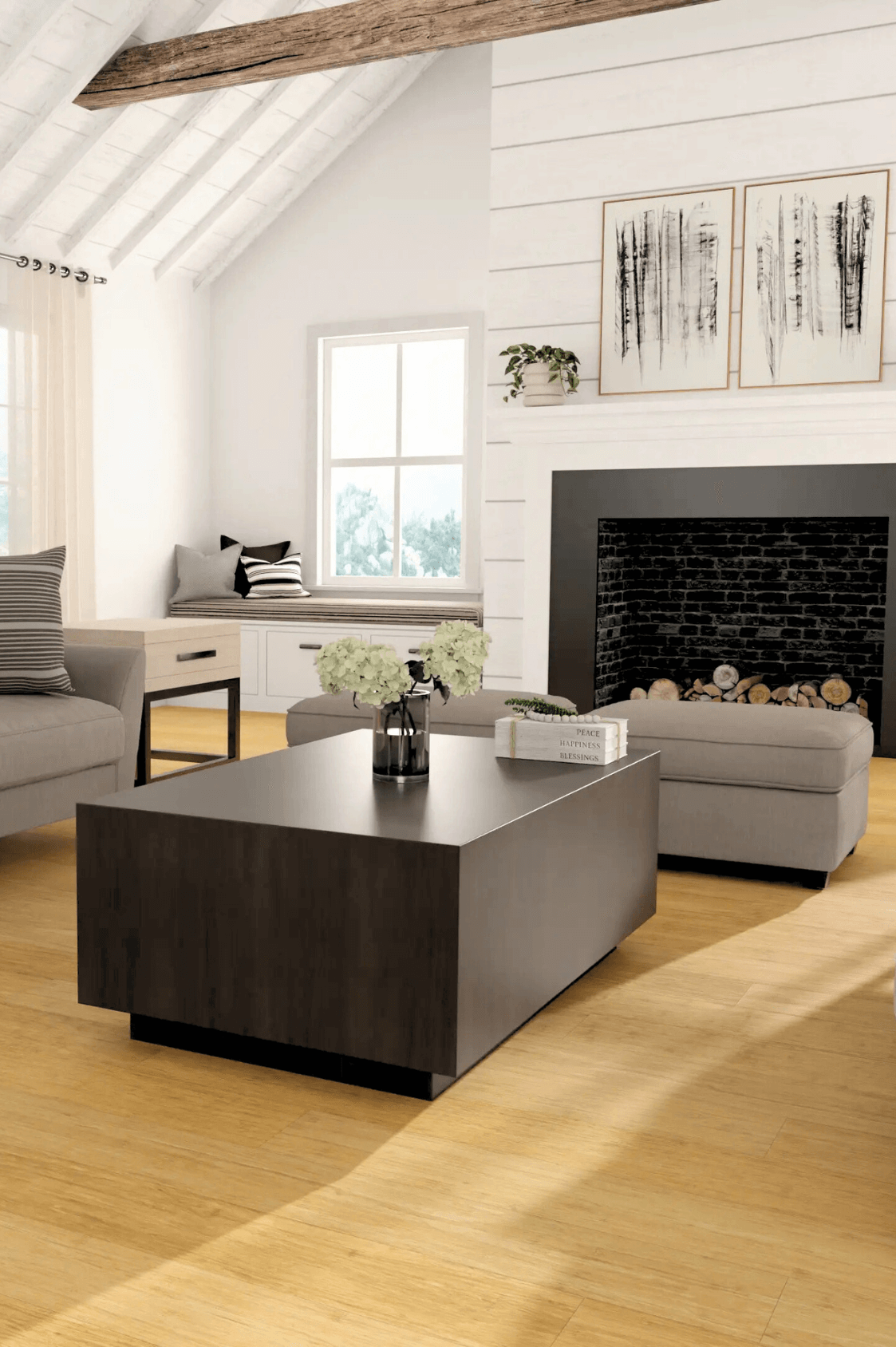
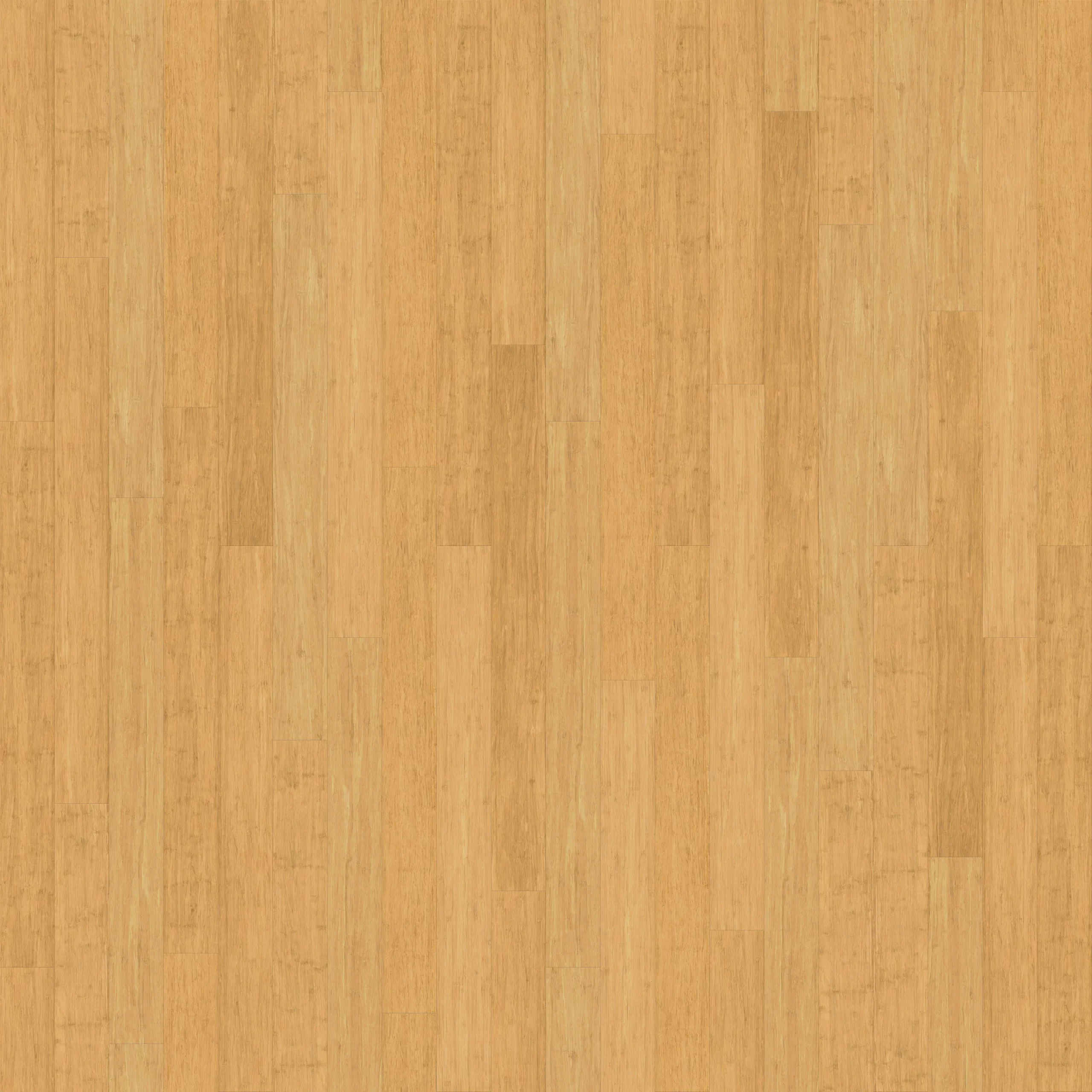
Bamboo flooring comes in a variety of patterns and plank sizes to compliment a variety of decors, from casual to formal and contemporary to traditional. If you’re considering hardwood flooring, consider bamboo. Not only is bamboo durable, it is frequently favored for its resistance to fire, insects and moisture. It’s a great environmental option and is offered in both a solid and an engineered construction, and can be nailed-down or floated. .
Bamboo is a rapidly growing hollow grass (not wood) that can be harvested every 5-7 years, unlike tree wood which can typically only be harvested every 15-100 years. When bamboo shoots are cut, their roots remain intact and new sprouts grow in their place. As a result, bamboo flooring is an environmentally friendly product that provides an excellent alternative to tree hardwood flooring. It provides the same natural beauty and feel in your home as hardwood.
Quality bamboo flooring is also incredibly dense and hard, much harder than some hardwoods in fact. For example, it’s 27% harder than a Northern Red Oak and 13% harder than hard maple.